Root cause of dandruff
& seborrhoeic dermatitis
Root cause of dandruff & medically diagnosed seborrheic dermatitis


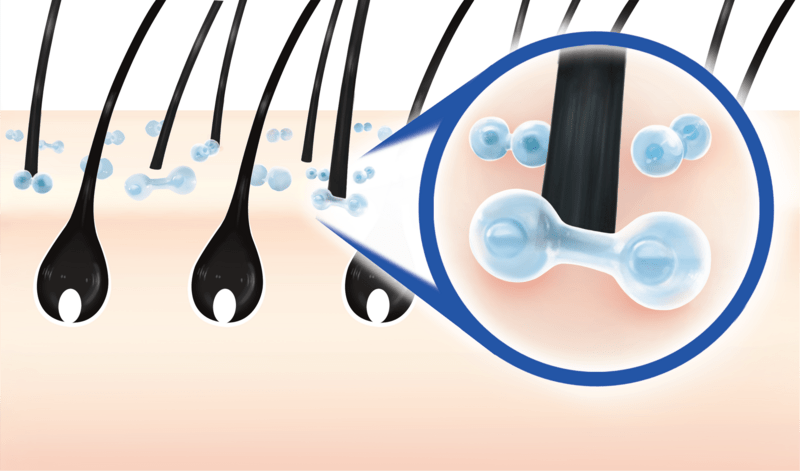
For the majority of us, a type of fungus – Malassezia spp. – naturally lives on our skin1.

Various natural and environmental factors such as oil glands secretions, Malassezia spp. overgrowth, individual vulnerability, and interactions between these factors, all contribute to the origin and development of dandruff and seborrhoeic dermatitis1.

Possible causes of dandruff
& seborrhoeic dermatitis1,2

Malassezia spp. overgrowth

Higher numbers of Malassezia spp. relates to the appearance of the condition.

The higher the number of Malassezia spp. detected, the more severe the seborrhoeic dermatitis.
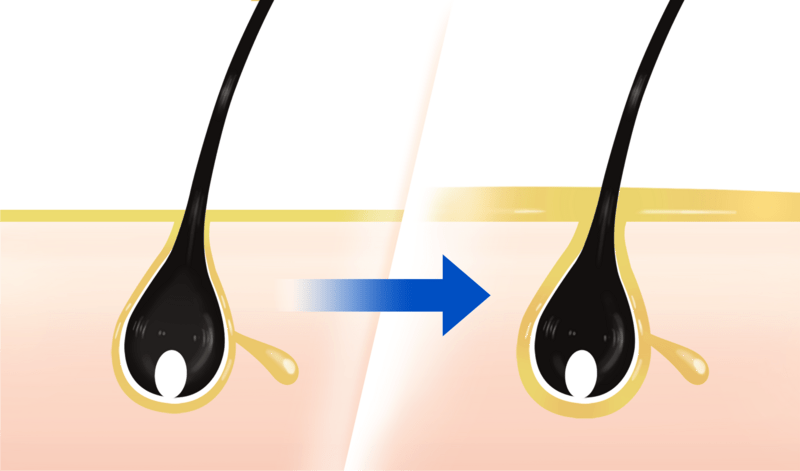
Oil Gland Activity

Excess rich oil production allows Malassezia spp. to thrive, leading to overgrowth.
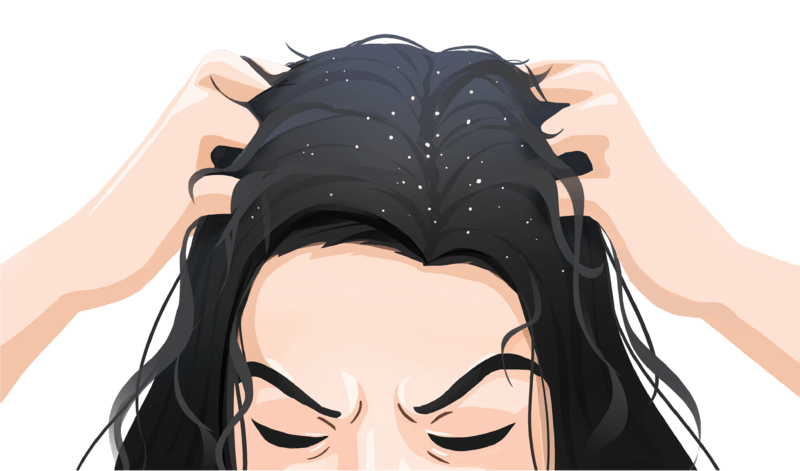
Individual Vulnerability

Contributing factors include:

  • Emotional Stress
  • Skin Barrier Integrity
  • Genetics
  • Neurogenic Factors
  • Nutrition

Emotional Stress1,3

Seborrhoeic dermatitis is more commonly observed in people under emotional stress. Stress is also known to promote oil gland activity which can indirectly cause Malassezia spp. to thrive and overgrow.

Skin Barrier Integrity1

null

Disrupted skin barrier function can contribute to aggravation of dandruff. In fact, dandruff sufferers have been shown to be more responsive to irritants produced by Malassezia spp.

Genetics1

null

Changes in an individual’s genes could disrupt biological processes believed to influence an individual’s susceptibility to dandruff and seborrhoeic dermatitis.

Nutrition1

null

Nutrition has been studied as a possible contributing factor for seborrhoeic
dermatitis. Vitamin B2, Vitamin B6 and Vitamin B3 deficiency can cause
seborrhoeic dermatitis-like rash.

Neurogenic factors1

null

Neurogenic factors could provide favourable conditions for Malassezia spp.
overgrowth.

Always read the label and follow the directions for use. If symptoms persists, please contact your healthcare professional. TAPS BG4056

Can't find what you're looking for?

Visit our Frequently Asked Questions page to find
the answer to your question.

REFERENCES

  1. Borda LJ, Wikramanayake TC. Seborrheic Dermatitis and Dandruff: A Comprehensive Review. J Clin Investig Dermatol. 2015;3(2):10.13188/2373-1044.1000019.
  2. American Hair Loss Association. Infectious Agents. Available at: https://www.americanhairloss.org/types_of_hair_loss/infectious_agents.html. [Accessed 6 May 2022].
  3. Dawson JR, Thomas L. Malassezia Globosa and Restricta: Breakthrough Understanding of the Etiology and Treatment of Dandruff and Seborrheic Dermatitis Through Whole-Genome Analysis. Journal of Investigative Dermatology Symposium Proceedings. 2007; 12:15-9.

Image Credits: Photos of models purchased from Shutterstock, Inc. Signed model release on file with Shutterstock, Inc.
*Image used is for illustration purposes only.